loading

Can Australians claim Serbian citizenship by descent?

Yes. Australian citizens and residents of Serbian descent can apply for Serbian citizenship by descent from Australia without travelling to Serbia. The application is handled entirely through a Serbian lawyer acting under power of attorney.

Australia has one of the largest Serbian diaspora communities outside Europe. Many families arrived in two main waves,  postwar refugees in the late 1940s and economic migrants in the 1960s and 1970s and a significant number came not from Serbia proper but from other former Yugoslav republics, particularly Bosnia and Croatia. This guide explains how the process works for Australians, including those whose Serbian ancestry runs through Croatia or Bosnia.

Which Australians are eligible?

Eligibility depends on whether you can establish a connection to Yugoslav or Serbian citizenship through your family line. The two main groups are:

  • Descendants of people who held Serbian republic-level citizenship within Yugoslavia – this applies to Serbs from Serbia, but also to Serbs from Bosnia and Croatia who formally registered Serbian citizenship after Yugoslavia dissolved in 1991 and 1992.
  • Members of the Serbian people who can establish Serbian ethnic, cultural, or religious identity – under Article 23 of the Law on Citizenship of the Republic of Serbia, Serbian ethnicity can found a citizenship claim even where the formal citizenship chain is incomplete or broken. This route is particularly relevant for Australians whose ancestors came from Bosnia or Croatia.

Australian citizenship does not affect eligibility. Serbia recognises dual citizenship and taking Serbian citizenship does not require you to give up your Australian passport.

Route 1: Citizenship by lineal descent

If one of your parents or grandparents held Yugoslav or Serbian citizenship, and that citizenship passed correctly through each generation, you may have a direct claim by lineal descent.

The key documents for this route are:

  • Your ancestor’s birth certificate from the Serbian civil registry
  • A record of their Serbian citizenship – either a passport, or a citizenship certificate.
  • Birth and marriage certificates connecting you to that ancestor through each generation

If the ancestor was born in Serbia and their records are held in Serbian municipal archives, your lawyer can retrieve these directly. If they were born in Bosnia or Croatia, records can be requested from the relevant archives in those countries.

Route 2: Citizenship through Serbian ethnic belonging (Article 23)

Article 23 of the Law on Citizenship of the Republic of Serbia provides an alternative route for members of the Serbian people who cannot establish a complete citizenship chain. It does not require proof that an ancestor formally held Serbian or Yugoslav citizenship. It requires proof of Serbian ethnic, cultural, or religious identity.

This route is frequently used by Australians whose families came from Bosnia or Croatia. If your ancestor was baptised in a Serbian Orthodox church, if church records identify the family as Serbian, establish Serbian cultural belonging, Article 23 may be available.

Article 23 applies to members of the Serbian people only. It is not available on the basis of Yugoslav citizenship alone or on the basis of other ethnic backgrounds.

Australian-specific documents and how to handle them

Apostille via DFAT

Australian documents submitted in Serbian citizenship applications must be apostilled before they are accepted. In Australia, apostilles are issued by the Department of Foreign Affairs and Trade (DFAT). The process involves submitting your original document or a certified copy to DFAT, which attaches an apostille certificate confirming the document’s authenticity for use in countries party to the Hague Apostille Convention. Serbia is a member of the Convention.

Documents that typically require apostille include Australian birth certificates, marriage certificates, and any statutory declarations made before an Australian authority. Your lawyer will advise on which documents in your specific case need apostille before submission.

Serbian Orthodox church records in Australia

The Serbian Orthodox Church has had a significant presence in Australia since the 1960s. Parish records from Australian Serbian Orthodox churches, baptism registers, marriage records, membership rolls  can support an Article 23 application by establishing that the family maintained Serbian religious and cultural identity in Australia. Your lawyer can advise on how to obtain certified extracts from the relevant parish.

Documents from Bosnia or Croatia

If your ancestry runs through Bosnia or Croatia, records can be requested remotely from the relevant state archives and vital records offices. Your lawyer can do this using a power of attorney, without you needing to travel to either country. Processing times vary but are typically between two and six weeks.

Serbian embassies and consulates in Australia

Australia has a Serbian Embassy in Canberra and a Consulate General in Sydney. Once Serbian citizenship is granted and the citizenship certificate is issued, you collect your Serbian passport at the nearest consulate. The Consulate General in Sydney handles the majority of passport applications from Australians of Serbian descent.

The citizenship application itself is submitted to the Ministry of Interior of Serbia by your lawyer in Belgrade. You do not need to attend the embassy or travel to Serbia at any stage of the application process.

Step by step: how the process works from Australia

Step 1: Legal assessment. Your lawyer reviews your family history to determine which route is available and what documents are likely to exist. For Australian clients, the assessment also covers which documents will need DFAT apostille and whether Serbian Orthodox church records in Australia are relevant to the case.

Step 2: Serbian registry search. Your lawyer searches the Serbian birth register and citizenship register for your ancestor. This takes approximately one week and determines whether a formal citizenship record exists in Serbia.

Step 3: Source documents. Your lawyer requests relevant records from Serbian, Bosnian, or Croatian archives using a power of attorney. You source Australian documents and arrange DFAT apostille as advised. Estimated timeline: two to six weeks depending on the archives involved.

Step 4: Translation. All documents must be submitted in Serbian translation by a certified court interpreter. Your lawyer coordinates translation of all materials.

Step 5: Submit to the Ministry of Interior. The application is submitted to the Ministry of Interior of the Republic of Serbia by your lawyer. You do not need to travel to Serbia or attend a Serbian embassy in Australia at this stage.

Step 6: Receive your citizenship certificate. The Ministry issues a certificate of Serbian citizenship. Once you have the certificate, you can apply for a Serbian passport at the Consulate General in Sydney or the Embassy in Canberra.

Including your children. If you qualify, your minor children can be included in the same application without a separate ancestry assessment.

Frequently asked questions


Do I need to travel to Serbia to apply?

No. The entire application is handled by your Serbian lawyer under a power of attorney. Serbian records are sourced, documents compiled, and the application submitted without you travelling to Serbia. The citizenship certificate is forwarded to you, and the Serbian passport is then collected at the Serbian Consulate General in Sydney or the Embassy in Canberra.

My grandfather came from Bosnia, not Serbia. Can I still apply?

Yes. Many Australians of Serbian descent have family roots in Bosnia and Herzegovina or Croatia rather than Serbia proper. If your ancestor was an ethnic Serb, Serbian Orthodox church records, displacement documentation, or other evidence of Serbian ethnic identity can support an Article 23 application regardless of which republic they came from.

Does Serbia allow dual citizenship with Australia?

Yes. Serbia recognises dual citizenship and does not require you to renounce your Australian citizenship when you acquire Serbian citizenship. You can hold both passports.

My family has no Yugoslav passports or documents. Can I still apply?

Possibly, depending on what other evidence is available. Australian Serbian Orthodox parish records, community organisation records, wartime displacement certificates, and family documents identifying your ancestor as Serbian can all support an Article 23 application. The strength of the case depends on what is available, which is assessed at the initial legal review stage.

How long does the process take?

Most applications are resolved within approximately six months from submission to the Ministry of Interior. The preparation stage, sourcing documents from multiple countries and arranging DFAT apostille, typically takes four to eight weeks before submission.

Do I need to apostille all my Australian documents?

Documents issued by Australian authorities that are submitted in Serbian proceedings must be apostilled by DFAT. Your lawyer will confirm which specific documents in your case require apostille before you begin the process.

Can I include my children in the application?

Yes. Minor children can be included in the same application. Once the citizenship certificate is issued, children can also apply for Serbian passports.

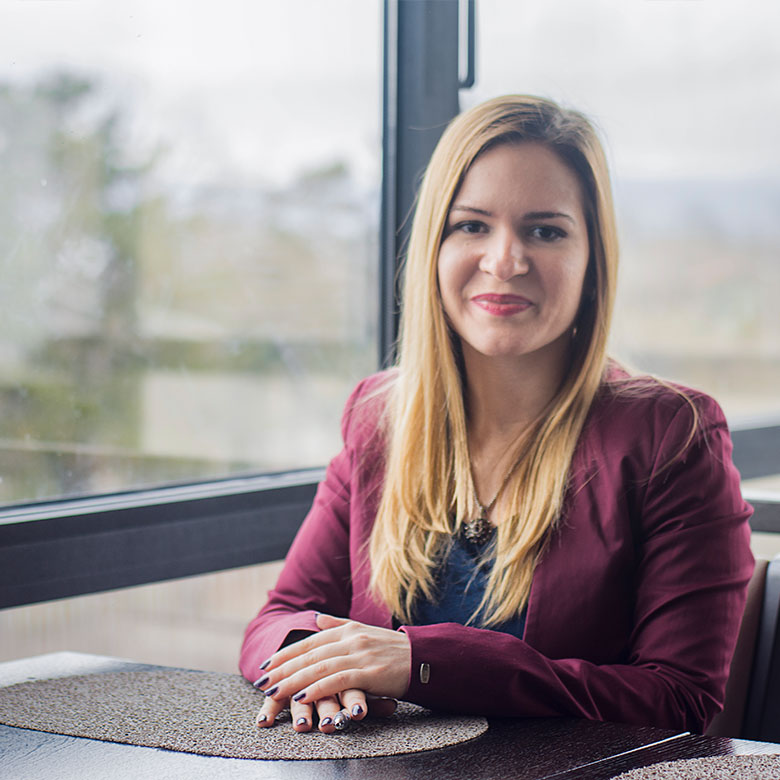
Milica Jeremic

Milica Jeremic

Milica Jeremic is a Serbian attorney specialising in citizenship by descent, immigration law, and corporate matters for international clients. She represents clients from Australia, the US, and Western Europe in Serbian citizenship applications before the Ministry of Interior of the Republic of Serbia.

Ready to find out if you qualify?

Every citizenship case is different. Book a consultation with our team and we will assess your eligibility based on your specific family history.

Book a consultation

    Related Blogs