loading
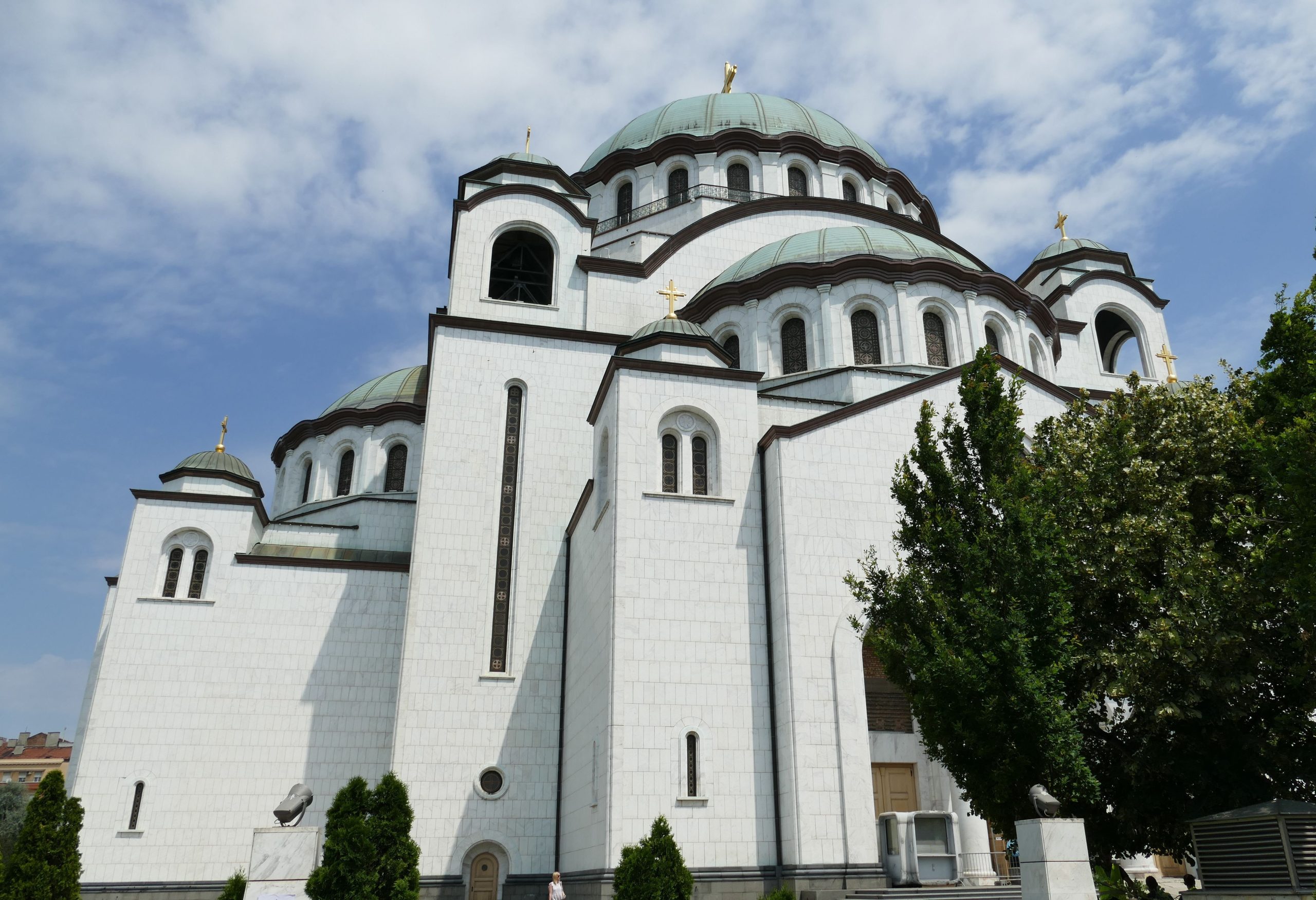
t. Sava Serbian Orthodox Church, a symbol of Serbian heritage and community in the United States

Serbian Citizenship by Descent: What Americans Need to Know

Thousands of Americans carry Serbian or Yugoslav heritage, yet most do not realise they may be entitled to a Serbian passport. Whether your family left Serbia in the early twentieth century or during the 1990s conflict, the path to Serbian citizenship is open, provided you can document the connection.

This guide explains the two main legal routes available to Americans: citizenship through lineal descent and citizenship through ethnic belonging under Article 23 of the Serbian Citizenship Act. It covers what documents you need, how to trace your ancestry through US records, and what the application process looks like from start to finish.

Why Americans Apply for Serbian Citizenship

  • Dual citizenship is permitted. The United States allows dual nationality. Acquiring a Serbian passport does not require giving up your US passport, and you are not required to notify US authorities.
  • Visa-free travel. A Serbian passport provides visa-free or visa-on-arrival access to over 130 countries.
  • Right to live and work in Serbia without restrictions. Citizenship removes all residency and work permit requirements, which matters for those considering retirement, property ownership, or long-term relocation.
  • EU candidacy. Serbia is an official EU candidate country. A Serbian passport carries additional strategic value over the long term.
  • Property and inheritance. Serbian citizenship simplifies property ownership, inheritance proceedings, and legal standing in Serbian courts for diaspora families with assets in Serbia.

Two Legal Routes to Serbian Citizenship for Americans

The Law on Citizenship of the Republic of Serbia sets out two distinct routes relevant to Americans of Serbian descent.

Route 1: Citizenship by Lineal Descent

The standard route. If at least one of your parents or grandparents held Serbian or Yugoslav citizenship and that citizenship was not lost, you may be entitled to Serbian citizenship by origin. The citizenship passes through the bloodline and does not require you to speak Serbian or have ever visited Serbia.

Route 2: Membership of the Serbian People (Article 23)

A separate route for ethnic Serbs and members of the Serbian diaspora who cannot document an unbroken citizenship chain. Article 23 does not require a Serbian citizen ancestor. It requires proof of Serbian ethnic, cultural, or religious identity. If your grandmother was baptised in a Serbian Orthodox church, if your family spoke Serbian at home, or if community records identify them as Serbian, this route may be available to you even where the formal citizenship lineage cannot be established.

Understanding which route applies to your situation is the essential first step. The answer depends on your specific ancestry, not simply on whether you have Serbian roots.

Route 1: Citizenship by Lineal Descent in Detail

Who Qualifies

You qualify for citizenship by lineal descent if:

  • You were born to at least one parent who was a citizen of Yugoslavia or the Republic of Serbia at the time of your birth; or
  • Your parent was born to at least one Serbian or Yugoslav citizen grandparent and the citizenship passed to your parent before your birth.

The key reference date is 27 April 1992, when the Federal Republic of Yugoslavia (comprising Serbia and Montenegro) came into existence. From that date, Yugoslavia’s citizenry became the starting point of Serbian citizenship records. Citizens of other former Yugoslav republics who had registered as Serbian citizens before that date may also qualify.

Citizenship passes equally through both parental lines. Whether the Serbian connection runs through your mother or your father makes no difference to eligibility.

t. Sava Serbian Orthodox Church, a symbol of Serbian heritage and community in the United States

Route 2: Article 23 Citizenship by Ethnic Belonging

What Article 23 Provides

Article 23 of the Law on Citizenship of the Republic of Serbia allows a member of the Serbian people who does not hold Serbian citizenship to acquire it by declaration, without the standard residence or language requirements that apply to ordinary naturalisation. The declaration is submitted to the Ministry of Interior together with evidence of Serbian ethnic, cultural, or linguistic belonging.

When Article 23 Is the Right Route

Article 23 exists precisely for diaspora communities whose ancestors left Serbia or former Yugoslav territories generations ago. It is worth exploring when:

  • You cannot establish that an ancestor held active Yugoslav or Serbian citizenship;
  • Your Serbian ancestry runs through lines where older records are incomplete or missing;
  • Your family is of Serbian ethnic background but their ancestral village was in what is now Croatia, Bosnia, or another former Yugoslav republic rather than present-day Serbia.

What Evidence Is Required

The range of documents that can support an Article 23 application is broad, and what matters most depends entirely on the specific facts of your family history. There is no standard checklist that applies to every case. Presenting the right combination of evidence in the right way requires tailored legal advice.

If you think Article 23 may apply to your situation, book a consultation with our team. We will review your background and advise on the strongest approach for your case. You can also learn more about our citizenship by descent service.

One Important Limitation

Article 23 is available to members of the Serbian people, not to anyone with ancestors from the territory of former Yugoslavia. Applicants of Croatian, Bosniak, Slovenian, or other ethnic backgrounds do not qualify under this provision, even if born in Serbia or holding Yugoslav documents.

Finding Your Serbian Roots: US Records That Help

Before engaging with Serbian authorities, assembling US-side records is well worth the effort. These records often contain information about your ancestor’s exact birthplace, citizenship status, and ethnicity that Serbian records alone cannot provide.

USCIS A-Files (Alien Files)

The most comprehensive source of immigration history for ancestors who arrived in the United States before 1951. An A-File may contain the original immigration visa, the naturalisation petition, fingerprints, photographs, declarations of intention, and detailed personal history forms listing the applicant’s parents, siblings, and home village in Serbia. To request a deceased relative’s A-File, submit a FOIA request to USCIS using Form G-1041 (Records Request). Processing typically takes three to twelve months. For recently deceased relatives, Form G-1041A applies.

Passenger Lists and Ship Manifests

Ellis Island and other port records, available through Ancestry.com and FamilySearch.org, list passengers by country of birth and, after 1906, by the specific town or village of origin. Many Serbian immigrants appear listed under the Austro-Hungarian Empire (for those from Vojvodina) or under Serbia/Montenegro. The manifest also lists the contact person the immigrant was travelling to, which can reveal other family members already in the US.

US Census Records

The 1920 and 1930 censuses asked for country of birth, mother tongue, and year of immigration. The mother tongue column often shows “Serbian” or “Servian” and is directly relevant as evidence for an Article 23 application. Census records through 1950 are publicly available through Ancestry and FamilySearch.

Serbian Orthodox Church Records in the US

Serbian Orthodox parishes established in the United States from the early twentieth century kept baptism, marriage, and burial registers. These records often identify parishioners’ home villages in Serbia and their ethnic background, and are directly relevant to Article 23 applications. Contact the Serbian Orthodox Diocese of Eastern America or individual parish offices to request historical records.

Social Security Applications (Form SS-5)

The original Social Security application required the applicant to list their birthplace. Requests for a deceased relative’s SS-5 can be submitted to the Social Security Administration. The form often confirms a specific Serbian village name that cannot be found anywhere else in the US record set and provides the link needed to search Serbian municipal registers.

Required Documents and the Application Process

Documents You Will Need

Every case is different, and the full document list depends on which route applies and the specifics of your family history. As a starting point, all applicants will need:

  • Your birth certificate (apostilled copy with certified Serbian translation)
  • Copy of your valid US passport

Our team will advise on all additional documents required for your specific case once we have reviewed your background.

The Application Process: Step by Step

Step 1: Legal Assessment. Before gathering documents, have a Serbian lawyer assess your situation. This determines which route is available and prevents months of wasted effort.

Step 2: Source Serbian Records. For lineal descent applications, your ancestor’s entry in Serbia’s birth register (maticna knjiga) is the foundation of the case. Your lawyer can source this from the relevant municipal register office in Serbia using a power of attorney, without you needing to travel.

Step 3: Obtain and Translate US Documents. Gather US-side records, obtain apostilles where required, and arrange certified translation into Serbian by an accredited court interpreter.

Step 4: Submit the Application. Applications are submitted to the Ministry of Interior of the Republic of Serbia, either in person at a Serbian embassy or consulate, or through a lawyer in Serbia holding your power of attorney. The power of attorney route allows the entire process to be handled remotely.

Step 5: Receive Your Citizenship Certificate. The Ministry issues a certificate of Serbian citizenship (uverenje o drzavljanstvu).

Including your children. If you qualify for Serbian citizenship by descent or through Article 23, your minor children can be included in the same application on the same grounds, without a separate assessment of their ancestry. This is a straightforward way to secure citizenship for the next generation at the same time.

Processing Times and Common Pitfalls

How Long Does It Take?

Most applications are resolved in approximately six months from submission to the Ministry of Interior. 

Common Pitfalls to Avoid

1. Assuming the citizenship chain is intact. The most frequent mistake is assuming that because a grandparent was born in Serbia, descent automatically passes to you. Whether citizenship remained active through each generation depends on the specific facts of your family history and is not always obvious without legal review.

2. Skipping the Serbian registry search. If your ancestor’s birth is not recorded in Serbia’s registers, the descent application may be impossible regardless of how many US documents you have. Running the Serbian registry search first takes approximately one week and can save months of downstream effort.

3. Incorrect apostilles or translations. The Ministry returns applications with technical deficiencies. Common issues include apostilles obtained from the wrong jurisdiction, translations by non-certified translators, and documents considered too old at the time of submission.

Frequently Asked Questions


Can I get Serbian citizenship if my grandparent was Serbian?

Possibly. This depends on your specific family history and is best confirmed through a legal assessment rather than family memory alone.

What is Article 23 and do I qualify?

Article 23 of the Serbian Citizenship Act allows a member of the Serbian people who lacks Serbian citizenship to acquire it by declaration, based on ethnic, cultural, or religious belonging rather than a documented citizenship chain. You may qualify if you can demonstrate Serbian ethnic identity through church records, community membership, language, or family documents, even without an ancestor who held formal Yugoslav or Serbian citizenship.

Do I need to speak Serbian to apply?

No. Neither route requires Serbian language proficiency. The application is conducted through a Serbian lawyer or at a Serbian embassy, with all documents submitted in Serbian translation.

Will getting Serbian citizenship affect my US passport?

No. The United States permits dual nationality. Acquiring Serbian citizenship does not require you to renounce your US passport or notify US authorities. You remain a US citizen.

How do I get my ancestor’s birth records from Serbia?

A lawyer in Serbia can request birth register extracts from the relevant municipal register office on your behalf using a power of attorney. You do not need to travel to Serbia. The record search typically takes approximately one week once submitted.

What if my ancestor was born in what is now Bosnia or Croatia?

This does not automatically disqualify a citizenship application. The relevant question is what citizenship your ancestor held, not where the village is located today. An Article 23 application based on Serbian ethnic identity is also available regardless of which former Yugoslav republic the ancestral village is in.

How long does the process take?

Most applications are resolved in approximately six months from submission. Cases involving longer lineage or additional evidence can take longer. US record sourcing should be initiated early as it can take three to twelve months independently.

Can everything be handled remotely without travelling to Serbia?

Yes. A Serbian lawyer holding your power of attorney can source Serbian records, prepare and submit the application, correspond with the Ministry of Interior, and receive the citizenship certificate on your behalf. Once citizenship is confirmed, you can collect your Serbian passport at the nearest Serbian consulate.

Milica Seperac

Milica Seperac

Milica Seperac is a Serbian attorney specialising in citizenship by descent, immigration law, and corporate matters for international clients. She represents clients from the US, Australia, and Western Europe in Serbian citizenship applications before the Ministry of Interior of the Republic of Serbia.

Ready to Find Out If You Qualify?

Every citizenship case is different. Book a consultation with our team and we will assess your eligibility based on your specific family history.

    Related Blogs